Beyond design: sustainability as a lifecycle discipline.
Sustainability in the built environment is no longer a separate layer added to a project at the end. It is shaped through the way a project is planned, designed, engineered, delivered and eventually operated. A truly sustainable building is one that responds intelligently to its climate, uses resources responsibly, supports the people who experience it, and maintains its performance over time.
01 / SectionSustainability starts with early decisions.
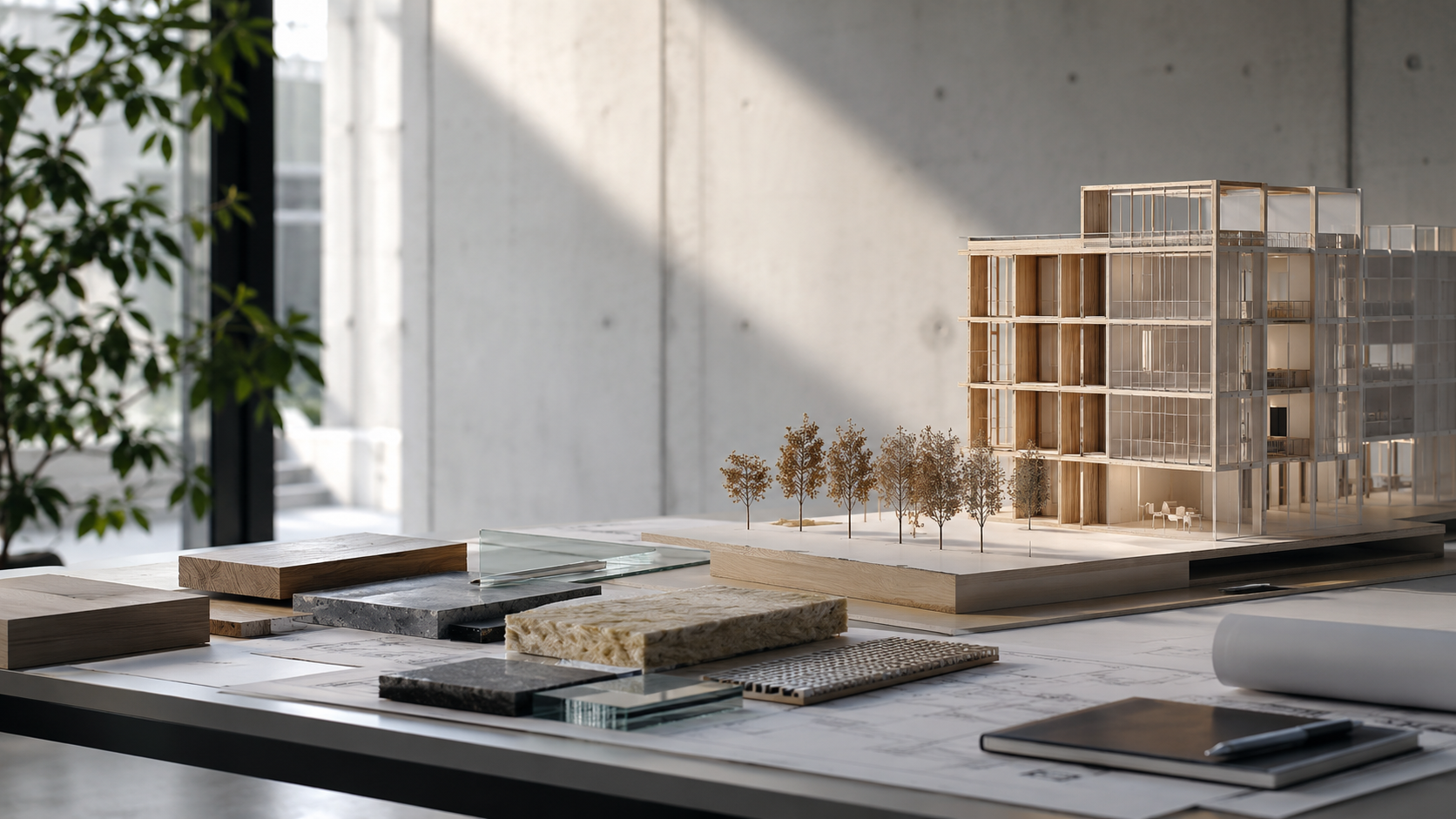
The real impact of sustainable design often begins with the first project decisions. Orientation, massing, façade strategy, daylight, natural ventilation, insulation, structural systems and material choices all influence how a building will perform for years.
When these decisions are considered together from the beginning, sustainability becomes part of the project structure rather than an external addition. It produces buildings that are not only more efficient — but more resilient, more adaptable and more technically coherent.
02 / SectionFrom design intent to project delivery.
A strong sustainable concept must be protected throughout the entire project process. Without continuity between design, engineering, site coordination and final delivery, even the most thoughtful environmental strategies can lose their impact during execution.
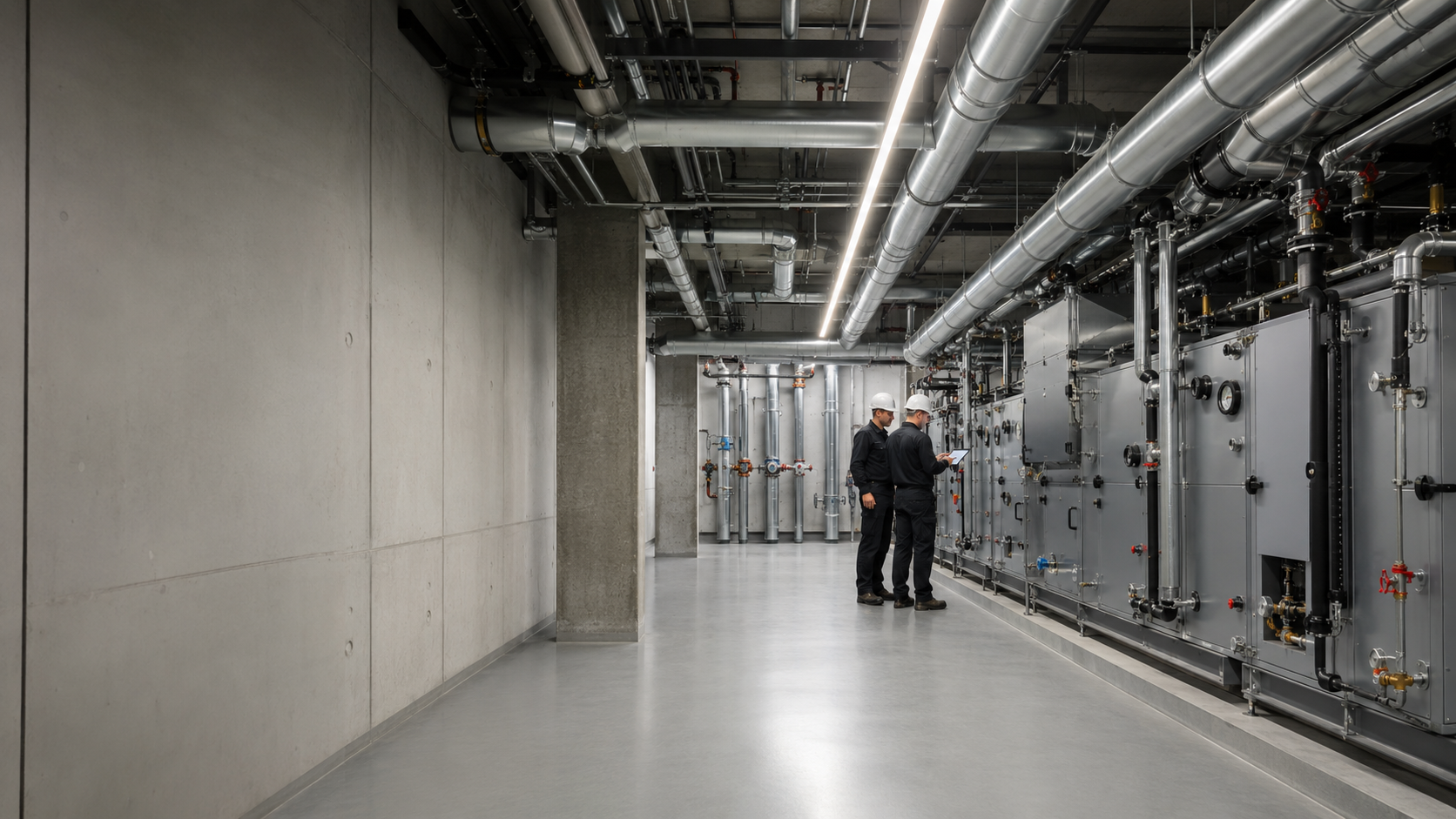
For LANE, sustainability aligns naturally with a multidisciplinary way of working. Design, engineering, project management, due diligence, QA/QC and construction management are not separate conversations — they are connected stages of the same responsibility.
Sustainability is not a compromise between design quality and technical performance. It is a framework that brings them together.
03 / SectionMaterial selection, coordination, commissioning.
Material selection is one clear example. Choosing durable, responsible and efficient materials affects not only the construction phase, but the future adaptability, maintenance and carbon footprint of the building.
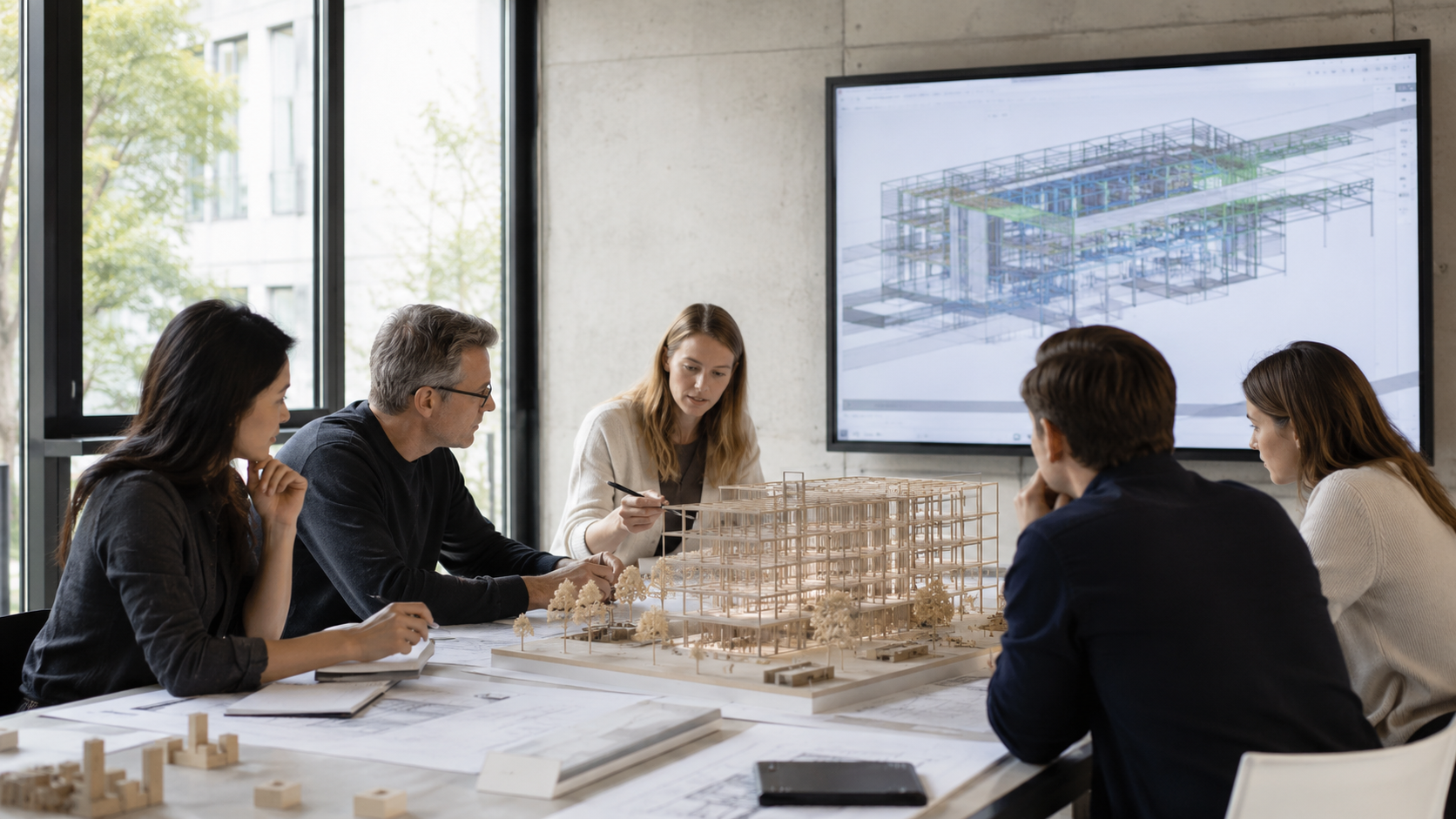
Similarly, well-coordinated MEP systems, smart controls, efficient envelopes and rigorous commissioning processes ensure that a building performs as intended after completion — not just as drawn at handover.
04 / SectionLong-term value beyond cost.
Sustainable buildings can support more balanced long-term operational outcomes. Reduced energy demand, efficient systems, durable materials and better performance control may help ease maintenance and operating burdens over time. But the deeper value is not simply cost reduction.
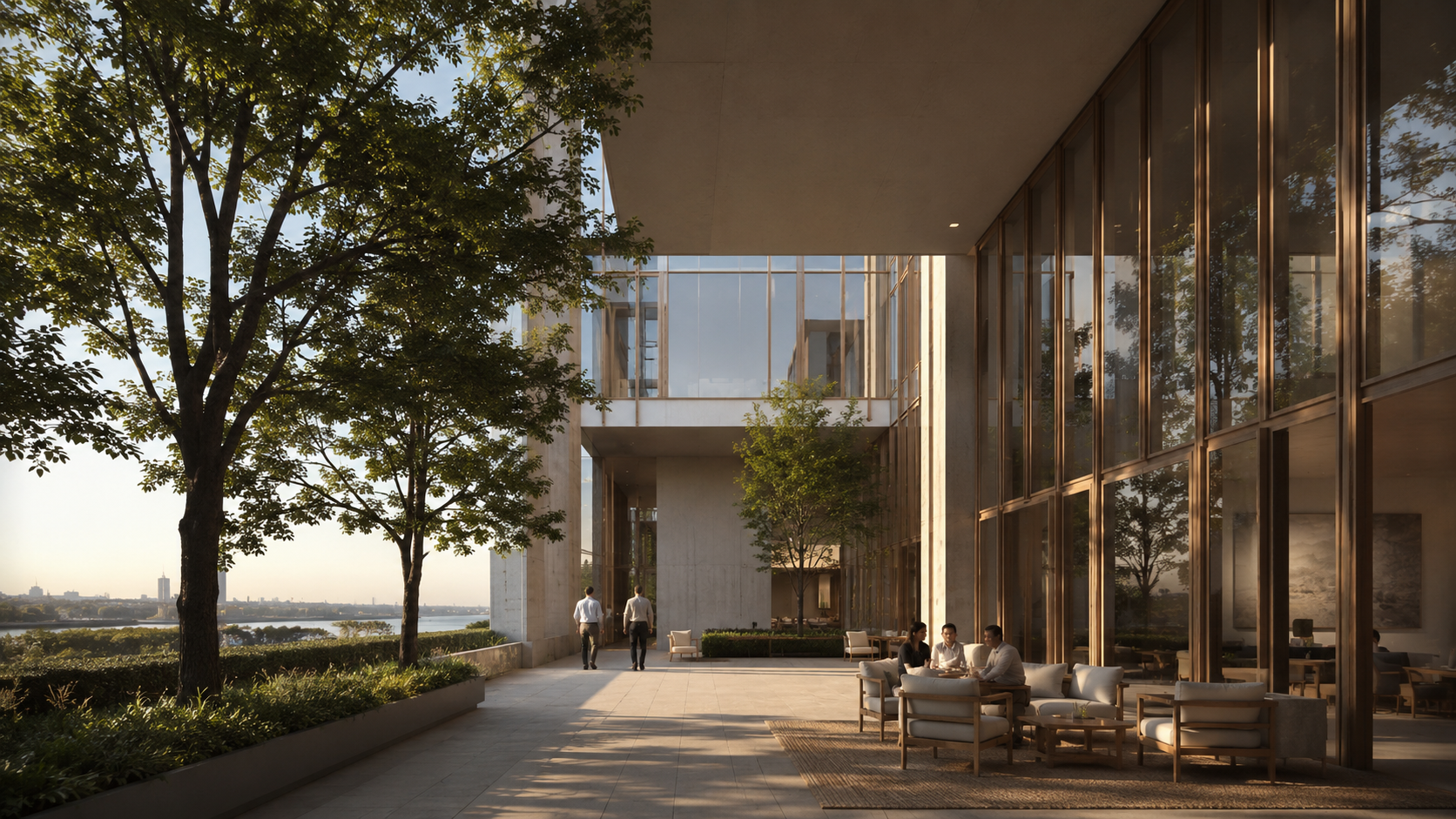
The real value lies in creating buildings that are more reliable, more adaptable and more responsible toward both people and the environment. Sustainability is not a compromise between design quality and technical performance — it is a framework that brings them together.
05 / SectionA way of thinking, a way of delivering.
The future of the built environment will be shaped by projects that are not only delivered successfully but also designed to perform responsibly over time. For LANE, sustainability is not a standalone statement. It is a way of thinking, managing and delivering projects with care — from the first idea to long-term use.
Better buildings are not created by isolated decisions. They are built through integrated thinking, technical precision and a responsibility to the future.